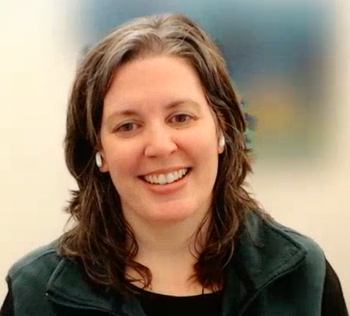
In this interview clip, Kristin L. Wustholz of William & Mary explains how her group judges the fidelity of its blinking-based classifications, why real artworks will call for classification libraries, and where the method fits alongside SERS.
Join us to hear how routine industrial laboratories leverage the advantages of triple quadrupole ICP-M technology to improve their throughput and performance. Live: Wednesday, Oct. 9, 2019 at 11am EDT | 8am PDT | 4pm BST | 5pm CEST On demand available after airing until Oct. 9, 2020. Register free
Register free:
Event Overview:
Triple quadrupole ICP-MS instruments have helped to take the analysis of trace elements to a new level, delivering better interference removal and significantly improved detection limits for key analytes, such as phosphorous, arsenic, or selenium. Because of this, these instruments can help to overcome a variety of typical challenges routine laboratories face. For example, the ability to remove additional interferences, such as doubly charged interferences, increases the confidence in data quality and helps to reduce time consuming and labor intensive re-runs or post-analysis data treatment.
Triple quadrupole instruments use reactive cell gases such as oxygen or ammonia to remove interferences based on different chemical reactivity. However, in comparison to single quadrupole ICP-MS systems, the technique is often perceived as difficult to set up especially for non-expert users such as lab managers coming from a different technological background or laboratory technicians.
Modern triple quadrupole ICP-MS instruments will easily help you to overcome initial difficulties with method setup based on straightforward design and intuitive software, allowing all laboratories and all staff levels to access the full potential of this technique.
This webcast will show you how the triple-quadrupole ICP-MS instruments can help to solve the above-mentioned challenges. The presentation will feature key examples from leading industry laboratories on how triple quadrupole ICP-MS has helped them to solve or improve on their challenges with trace elemental analysis.
Key Learning Objectives:
In this webcast, you will:
Speakers: Dr. Daniel Kutscher, Product Marketing Specialist, Thermo Fisher Scientific
Kerstin Vogel, Research Scientist, The Dow Chemical Company
Adrian Seaton, ICP-MS Technical Specialist, Johnson Matthey
Time and date: Wednesday, Oct. 9, 2019 at 11am EDT | 8am PDT | 4pm BST | 5pm CEST
On demand available after airing until Oct. 9, 2020.
Sponsor: Thermo Fisher Scientific
Register free: