


Imaging
Latest News
From Better Spectra to Better Decisions: Five Trends Highlighted at ICORS 2026
By Jürgen Popp
Advertisement
Latest Videos
Advertisement
More News

A recent study showcased an auto-focusing laser-induced breakdown spectroscopy (LIBS) imaging system that uses a motor-driven focusing mirror to track surface height changes in real time, cutting signal variability on irregular surfaces and improving spectral stability more than eightfold compared to conventional static systems.

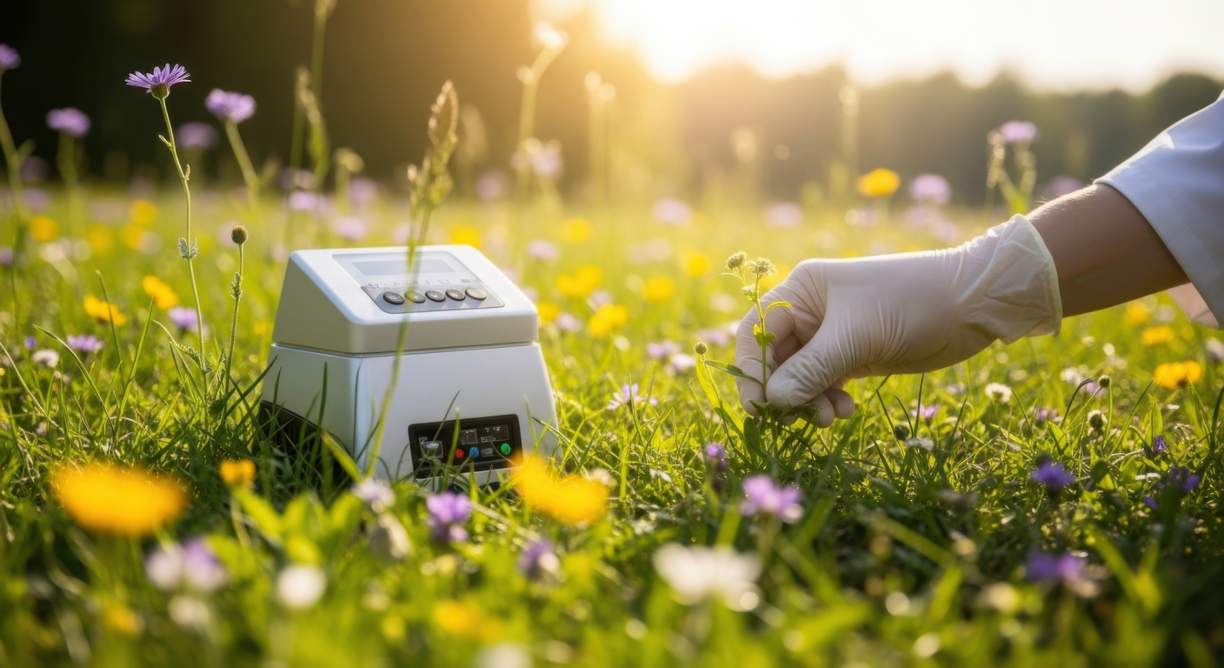
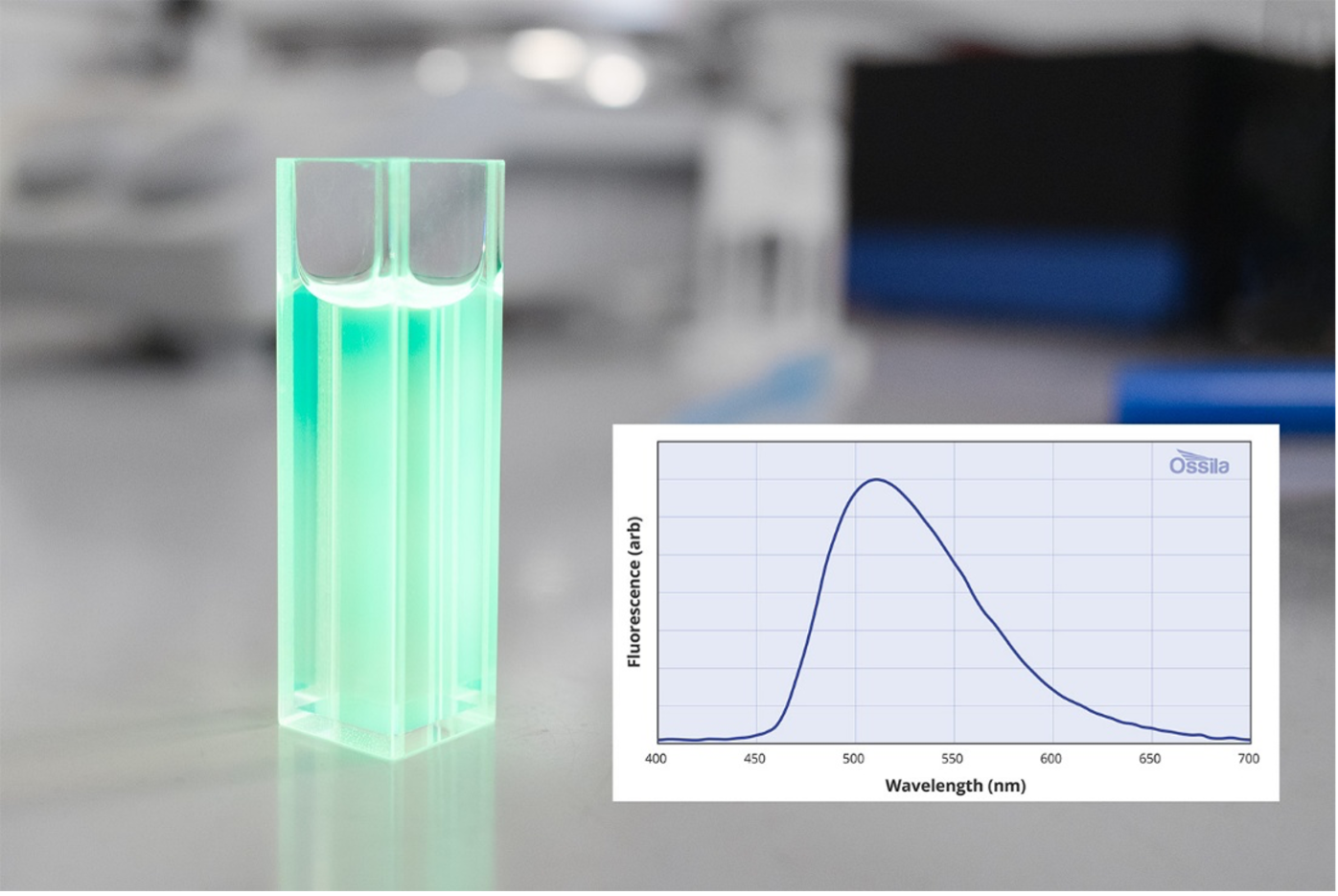
A team at Hebei University has developed a fluorescent probe that visualizes heavy metal stress in plant cells by detecting changes in intracellular viscosity, offering researchers a new real-time tool for assessing crop stress resistance.
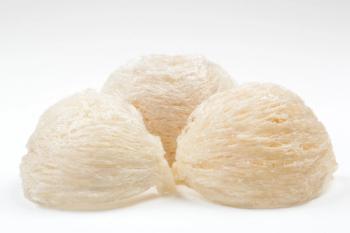
Researchers at the National University of Singapore have demonstrated that widely used spectroscopic methods for detecting adulteration in edible bird's nest products are based on a false assumption — that genuine product has a uniform chemical signature.

At the Pittcon Conference and Expo in Saan Antonio, Texas, on Monday, March 9, 2026 (8:30–11:00 AM, Room 304C), the session “Spectroscopy and Sustainability: A Perfect Match” explored how modern spectroscopic technologies are helping laboratories and industries operate more efficiently while reducing environmental impact. Chaired by John Wasylyk and sponsored by the Society for Applied Spectroscopy, the session brought together 6 presentations covering applications from pharmaceutical process monitoring and biomedical diagnostics to chemical manufacturing, defense, and remote sensing. Throughout the morning, a consistent theme emerged: spectroscopy’s speed, nondestructive nature, and rich chemical information make it inherently aligned with the goals of sustainability.

In this overview, we explore how spectroscopy is advancing the agriculture industry.

A 2026 study published in the journal Remote Sensing tested Germany’s EnMAP hyperspectral satellite to see if it could identify and map acid mine drainage (AMD) and associated mineral residues from a legacy sulfide mine in Sardinia, Italy.
Webcasts
Webinar Date/Time: Wed, Dec 10, 2025 11:00 AM EST

Top articles published this week include a two-part interview with Sergei Kazarian and Bernadette Byrne of Imperial College London, an inside look at wearables technology, and a tribute to Phil Williams, a pioneer of near-infrared (NIR) spectroscopy.

In this interview segment with Rohith Reddy, he discusses how mid-infrared spectroscopic imaging (MIRSI) can be used to help detect numerous disease types.

Webcasts
Webinar Date/Time: Tue, Sep 2, 2025 10:00 AM EDT

Researchers from Cranfield University and partners from industry demonstrated the feasibility of using advanced, non-destructive imaging techniques to analyze and standardize organo-mineral fertilizers.

Researchers from Hebei University and Hebei University of Engineering have developed a hyperspectral imaging method combined with data fusion and machine learning to accurately and non-destructively assess walnut quality and classify storage periods.

Researchers Use Machine Learning and Hyperspectral Imaging to Pinpoint Best Apple Bagging Techniques
A new study demonstrates that paper bagging significantly enhances Fuji apple quality and appearance. Hyperspectral imaging combined with machine learning offers a powerful, non-destructive method for evaluating fruit grown under different cultivation conditions.

In this study, the feasibility of the rapid discrimination of three different geographical origins of purple sweet potato with a hyperspectral imaging (HSI) system was examined.

Hyperspectral imaging was recently used to characterize chicken breast affected by myopathies, which can affect their texture and quality.

A recent study combines hyperspectral imaging (HSI) technology with chemometrics to deliver improved quality control of black garlic.

A recent review article looks at how wetland ecosystems are being monitored using remote sensing technologies and imaging spectroscopy to better manage them.
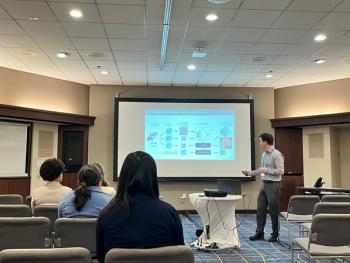
A Monday morning session at the Eastern Analytical Symposium in Plainsboro, New Jersey, highlighted hyperspectral and biological imaging techniques.
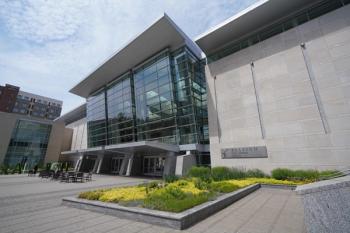
During the conference in Raleigh, North Carolina, experts from universities around the world spoke about their research using Raman, infrared spectroscopy, and more for biomedical imaging.

Webcast
Webinar Date/Time: Thursday, September 12th, 2024 English Session: 10:00 AM BST | 11:00 AM CEST French Session: 10:00 AM BST | 11:00 AM CEST

A recent study introduced a new scanning X-ray fluorescence (MA-XRF) scanner that improves analysis of cultural heritage artifacts.

Forensic scientists have made significant strides in bloodstain identification, leveraging advanced hyperspectral imaging and machine learning to distinguish between human and animal bloodstains with remarkable accuracy.
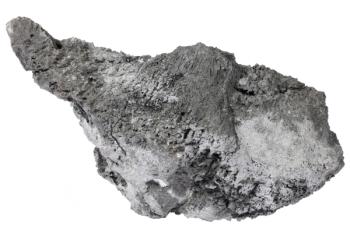
Hokkaido University scientists are investigating a more sustainable approach for detecting arsenic in minerals.

Webcast
Webinar Date/Time: Wednesday, June 26th, 2024 at 8am PDT | 11am EDT | 4pm BST | 5pm CEST

Korean scientists recently tested a new light detection and ranging (LiDAR)-based system for improving autonomous recognition systems.
Advertisement
Advertisement
Trending on Spectroscopy Online
1
Beyond the Fingerprint: AI, Coherent Detection, and Miniaturization Are Redefining Raman Spectroscopy
2
Starting SpecAcademy and Filling the Training Gap
3
Best of the Week: Celebrating National Forensic Science Week
4
What is SpecAcademy and What Need Does It Fill?
5