

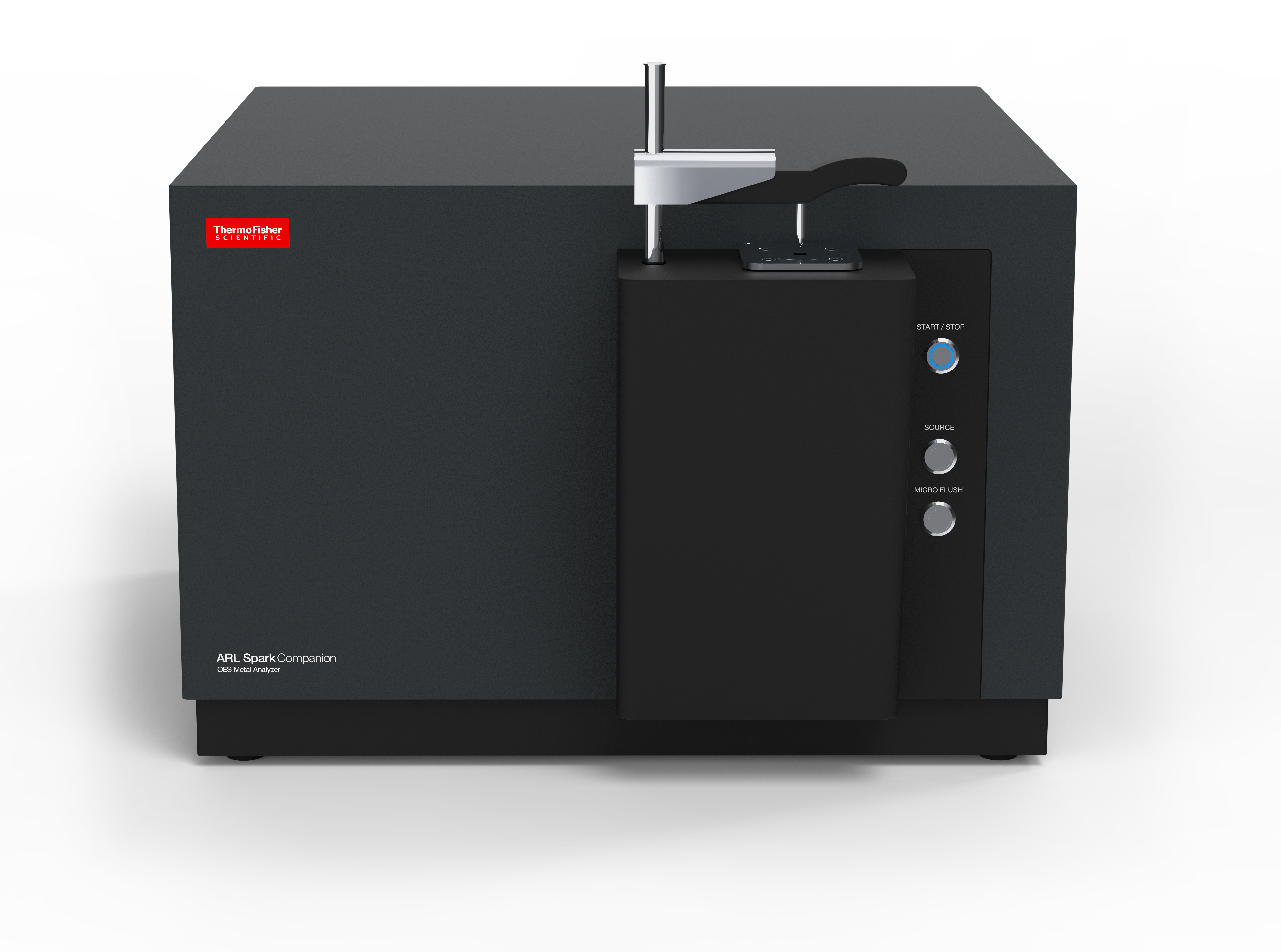




A recent study tests new systems meant to better analyze components in the semiconductor industry and pave the way for better electronic devices.
A recent study tests new systems meant to better analyze components in the semiconductor industry and pave the way for better electronic devices.

Gary McGeorge, Scientific Director at Bristol-Myers Squibb, spoke to us of the benefits and challenges associated with establishment of consistent resolutions while facilitating the steps associated with the implementation of process analytical technology (PAT).

Spectroscopy
Modern paints and varnishes are complex mixtures and the optimization of the material properties is an important task. One of the most essential variables is the curing which should in most cases take place in a reasonably short time span that can range from a fraction of a second to many days. It is difficult to evaluate the degree of the curing and its completeness by visual inspection. Therefore, an unbiased and reliable quantitative analysis is needed in quality control but also in R&D to optimize the varnish or the curing method respectively.

Spectroscopy
Bernhard Lendl and Cosima Koch of the Vienna University of Technology have developed a new method for on-line monitoring of fermentations using mid-infrared spectroscopy.

Special Issues
Infrared spectroscopy is a powerful analysis technique used in the semiconductor industry to ensure the quality of silicon and silicon wafers. The authors discuss the use of an inexpensive, lab-based system to measure carbon and oxygen concentrations in silicon to the level of precision required by the solar silicon industry.

Spectroscopy
The authors demonstrate the capacity to separate petroleum-derived molecules having the same nominal mass in the mobility dimension using IM-MS spectrometry.
Spectroscopy
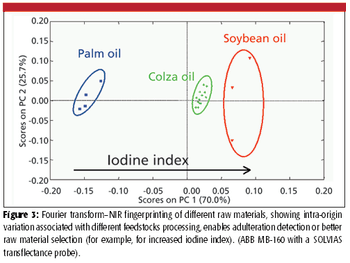
Biofuels such as biodiesel and bioethanol are now the main alternatives to fossil fuels in one of the most pollutant human activities: transportation. The authors report on the use of process analytical technology for mapping raw materials, fingerprinting process trajectories, and calibrating for the most important quality specifications, both for individual chemical and physical attributes or for combined quality attributes, thusleading to more consistent and economically viable processes.

Spectroscopy
As process analytical technology (PAT) moves out of the laboratory and into the plant and to the process stream itself, the question arises, "What is the best way to collect data from stream samples?" The author shows that this depends upon both the nature of the stream and the components to be measured.