Career Advice for Aspiring Forensic Scientists: An Interview with Kelly Elkins and Jaden Force
In this interview segment, Kelly Elkins and Jaden Force of Towson University focus to the challenges forensic scientists face, including how to position themselves for a career in this field.
The American Academy of Forensic Sciences (AAFS) Conference is an annual event for the forensic science community, bringing together researchers, practitioners, policymakers, and instrument vendors to exchange knowledge and explore emerging trends (1). In 2026, the conference will be held in New Orleans, Louisiana, from February 9–14, offering a vibrant setting for discussions that shape the future of the field (1).

This year’s theme, “Back to Basics: The Fundamentals of Forensic Science,” underscores a renewed emphasis on the core scientific principles that underpin reliable forensic practice (1). This theme highlights the importance of standards development, objective application of the scientific method, and prioritizing sound science over advocacy. This theme also recognizes the central role of forensic practitioners in advancing the field. Their expertise, judgment, and well-being are essential to ensuring accuracy, credibility, and trust within the justice system (1). Together, these priorities reflect a broader effort to strengthen forensic science across research, policy, and applied practice (1).
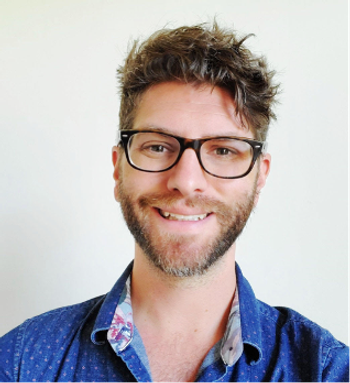
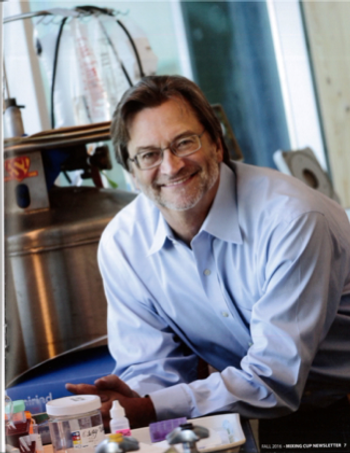
Ahead of the conference, Spectroscopy sat down with Kelly Elkins, a professor of chemistry at Towson University, and Jaden Force, a graduate research assistant at Towson University, to talk about numerous important topics in forensic science. In Part 1 of our conversation, Elkins and Force provided insight into the current state of forensic science and the analytical tools that are currently driving innovation in this space. Part 2 turns our focus to the challenges forensic scientists face, including how to position themselves for a career in this field.
Elkins brings extensive experience spanning academia and research, including prior roles as a Fulbright Scholar, a postdoctoral fellow at the Massachusetts Institute of Technology (MIT), and director of a forensic science program (2). Her work focuses on advanced DNA technologies such as next-generation sequencing, forensic DNA phenotyping, genetic genealogy, real-time PCR assay development, and novel bioinformatics approaches (2). Force, who began her academic training in chemistry at the University of Maryland, is completing her master’s degree in forensic science at Towson University, with her graduation expected in May 2026.
Together, their perspectives offer a timely glimpse into the scientific rigor, evolving methodologies, and practitioner-focused priorities that will define AAFS 2026 and the broader trajectory of forensic science.
You can view our coverage of the AAFS Conference
References
- American Academy of Forensic Sciences, President's Spotlight—Back to Basics. AAFS.org. Available at:
https://www.aafs.org/article/presidents-spotlight-back-basics (accessed 2026-01-23). - Towson University, Kelly Elkins. Towson.edu. Available at:
https://www.towson.edu/fcsm/departments/chemistry/facultystaff/kelkins.html (accessed 2026-01-27).
Newsletter
Get essential updates on the latest spectroscopy technologies, regulatory standards, and best practices—subscribe today to Spectroscopy.