Therefore, the researchers trialed nonlinear and latent-variable models after spectral preprocessing. A k-nearest neighbors (kNN) classifier following baseline correction and mean centering reached 99.29% overall accuracy, with sensitivity and specificity both exceeding 99%.1 The highest performance came from partial least squares-discriminant analysis (PLS-DA) using first-derivative and mean-centered spectra, which achieved perfect classification in both the calibration and prediction sets.1
Beyond binary detection, PLS-DA latent variable plots mapped the temporal progression of BmNPV infection. Score trajectories along the first two latent variables (LV1 = 19.71%; LV2 = 23.44%) corresponded to metabolic shifts from early energy mobilization to late-stage systemic collapse.1 This capability to stage infection non-destructively could support targeted interventions, such as isolating early-stage carriers before colony-wide spread.1
A unified spectral pretreatment workflow combining first-derivative transformation with standard normal variate (SNV) correction minimized non-infection-related spectral variability. According to the authors, this step was essential to remove baseline drift and scattering effects intrinsic to biological samples, allowing chemometric models to capture infection-specific biochemical changes.1 The approach was implemented with attenuated total reflectance FT-MIR (ATR-FT-MIR) acquisition, which is a configuration commonly available in industrial and academic spectroscopy laboratories.1
For analytical chemists and instrument developers, the study highlights how preprocessing choices can outweigh algorithm selection in biological classification tasks. The comparison across PCA, LDA, kNN, and PLS-DA models underscores the importance of integrating optimized signal correction with appropriate multivariate modeling to reach deployable accuracy levels.1
What are the implications for sericulture and applied spectroscopy?
BmNPV can wreak havoc on silk production. That is why it is paramount that those in the industry have access to routine screening methods that are accurate. A portable or benchtop FT-IR diagnostic that requires minimal consumables could enable routine screening at rearing facilities rather than centralized laboratories.1 The authors note that early detection and staging support timely quarantine and treatment decisions, improving sustainability and yield in silk production systems.1
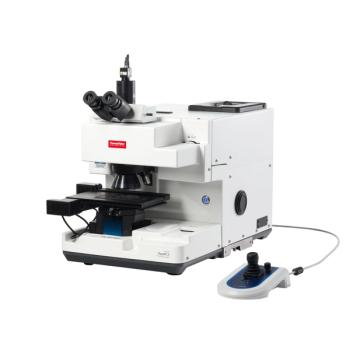
Because FT-IR instruments are already used for quality control in many industries, adapting them for sericulture diagnostics may be technically feasible without major infrastructure changes.1 For sericulture stakeholders and applied spectroscopy professionals, this represents a shift toward practical, on-site viral screening using existing spectroscopic hardware, potentially lowering diagnostic costs and improving disease management in silk production.
References
- Zhang, Z.; Zhang, Y.; Yan, H. Rapid Detection of Bombyx mori Nucleopolyhedrovirus in Silkworms Using Fourier transform Infrared Spectroscopy and Chemometric Modelling. Spectrochimica Acta Part A: Mol. Biomol. Spectrosc. 2026, 354, 127599. DOI: 10.1016/j.saa.2026.127599
- Cheng, Y.; Wang, X.-y.; Du, C. et al. Expression Analysis of Several Antiviral related Genes to BmNPV in Different Resistant Strains of Silkworm, Bombyx mori. J. Insect Sci. 2014, 14, 76. DOI: 10.1093/jis/14.1.76