Why Ammonia Monitoring in Pig Production Is Different
Monitoring ammonia in pig production presents unique challenges because of other variables that need to be taken into consideration to obtain a highly accurate reading. Most pig facilities contain high stocking densities, slurry-based manure systems, and diverse housing designs ranging from fully slatted floors with mechanical ventilation to naturally ventilated barns (1). Apart from the environment, other variables, such as temperature, humidity, dust, and airflow patterns further influence both ammonia release and sensor performance (1). According to the authors, these complexities are often underrepresented in broader livestock emission reviews, making technology selection difficult for researchers, farmers, and policymakers alike.
“Pig production presents distinct challenges such as slurry-based emissions, high stocking densities, diverse housing designs including mechanical and natural ventilation, and feeding practices that affect emission dynamics and sensor performance,” the authors wrote in their study (1). “These aspects are not comprehensively addressed in existing reviews.”
Comparing the Technologies: From Lab Precision to Farm Practicality
The researchers evaluated each major class of ammonia monitoring technology, highlighting how performance trade-offs shape their suitability for different applications.
For example, electrochemical gas sensors emerge as the most accessible option for on-farm monitoring. These sensors are relatively inexpensive, compact, and increasingly compatible with Internet of Things (IoT) platforms, making them attractive for continuous monitoring and integration into precision livestock farming systems (1). However, the authors emphasize that EC sensors are not without drawbacks. Calibration drift, saturation at high ammonia concentrations, cross-sensitivity to temperature and humidity, and limited long-term stability remain significant challenges, particularly in harsh pig house environments (1).
Another method used for ammonia detection is photoacoustic spectroscopy gas sensors. These instruments offer high sensitivity, accuracy, and the ability to sample air from multiple locations via switching manifolds (1). These features make them especially valuable for detailed emission studies and mitigation trials. However, their size, cost, and technical complexity restrict their adoption outside research institutions (1).
The third method they looked at were laser absorption spectroscopy gas sensors, including tunable diode laser systems. The benefits of LAS devices are that they provide high temporal resolution and strong selectivity for ammonia, with newer designs becoming more compact and cost-effective (1). Although still less common on commercial farms, there is growing interest in LAS technologies for both research and advanced monitoring applications.
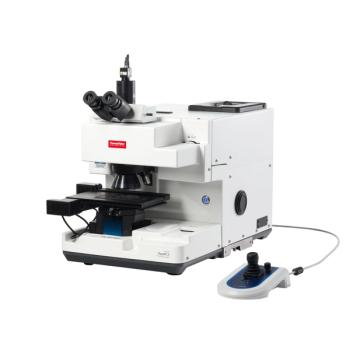
Meanwhile, FT-IR spectroscopic gas analyzers are the most established method, according to the researchers. These systems can simultaneously measure multiple gases with high accuracy, making them indispensable for validation and regulatory benchmarking (1). However, the researchers acknowledge that their operational demands, high capital cost, and general bulkiness are key barriers in its practicality for routine farm deployment (1).
And finally, the researchers examined colorimetric gas detector tubes. The benefits of using them include their low cost and ability to deliver spot measurements. As a result, they are good for quick checks and indicative measurements (1). However, they do sacrifice accuracy for speed and cannot support continuous monitoring, which means that they cannot play an active role in comprehensive emission studies (1).
In the second part of this feature of monitoring ammonia emissions in pig facilities, the measurement protocols are explored, and what future studies on this topic should investigate.
References
- Aroh, I. M.; McCutcheon, G.; Macartan, B. P.; et al. Monitoring Ammonia Emissions in Pig Facilities: A Comparative Review of Measurement Technologies, Monitoring Protocols, and Technology Decision-Support Framework. Computers and Electronics in Agriculture 2026, 241, 111238. DOI: 10.1016/j.compag.2025.111238
- Shin, J.; Roh, H.; Kim, D.; et al. Seasonal and Diurnal Ammonia Emissions from Swine-Finishing Barn with Ground Channel Ventilation. Animals (Basel) 2025, 15 (13), 1892. DOI: 10.3390/ani15131892
- Teagasc, Ammonia Emissions from Pig Production. Teagasc.ie. Available at: https://teagasc.ie/news--events/daily/ammonia-emissions-from-pig-production/ (accessed 2026-01-02).
- Department of Agriculture, Environment, and Rural Affairs, Ammonia Emissions and Agriculture. DAERA-NI.gov.uk. Available at: https://www.daera-ni.gov.uk/news/ammonia-emissions-and-agriculture#:~:text=Figure%201%20provides%20thebreakdown%2C%20by,land%20spreading%20of%20anaerobic%20digestate. (accessed 2026-01-02).