

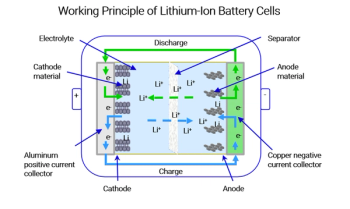
Lithium-ion batteries have revolutionized energy storage across consumer electronics, electric vehicles, and grid-scale systems, but further advancement requires overcoming challenges in safety, performance, affordability, and sustainability as production scales from laboratory to gigafactory levels. This article highlights the essential role of analytical chemistry techniques and rigorous process control in mitigating thermal runaway, reducing variability, managing impurities, optimizing costs, and improving recyclability to enable safer, higher-performing, and more sustainable next-generation battery technologies.