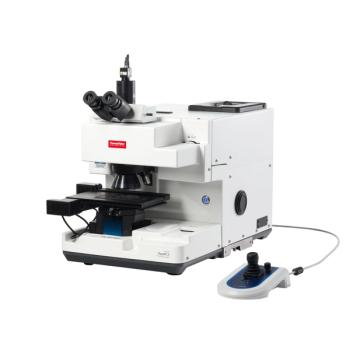
The modular system is intended to help laboratories analyzing microplastics, pharmaceutical formulations, forensic evidence, and other microscopic samples.
Top articles include a new “Pathways in Spectroscopy” episode, an interview with Christina Ryder about assessing collagen in archaeological bone, and a look at how hyperspectral satellite imaging can be used in detecting and analyzing methane emissions.
What skills are needed to excel in analytical laboratory management? According to Saikat Banerjee of DuPont, what’s required is communication skills along with a strong foundation in analytical techniques. Our latest “Pathways in Spectroscopy” episode explores this topic more fully. Also, we continue our conversation with Christina Ryder, a postdoctoral researcher at Texas A&M University, exploring how near-infrared (NIR) spectroscopy can be used to study archaeological bone. And finally, a crater out in the Karakum Desert has been burning decades, and hyperspectal satellite imaging is being used to study methane emissions coming from the burning crater. We provide an overview of that study here.
This is the Best of the Week.
In a “Pathways in Spectroscopy” episode, Saikat Banerjee of DuPont outlines the key skills required for success as an analytical laboratory manager. He emphasizes strong foundations in analytical chemistry and familiarity with techniques such as chromatography, alongside understanding instrument capabilities and limitations.1 Banerjee highlights the importance of systems thinking to translate complex business problems into actionable laboratory experiments, with sample preparation playing a critical role.1 Equally essential are communication skills, particularly the ability to tailor technical information to diverse audiences. Overall, he underscores that effective scientists must combine technical expertise with collaboration and clear, purpose-driven communication.1
Studying archaeological bone provides critical insights into past human life that artifacts alone cannot reveal. Bones preserve evidence of diet, health, disease, demography, social structure, and cultural practices, while also enabling genetic analysis that links past and present populations. A recent study in the Journal of Archaeological Science highlights the use of NIR spectroscopy to analyze collagen in bone.2 This interview clip with Ryder discusses why the 2030–2060 nm region is the most optimal for detecting collagen signals in archaeological samples.2
The Darvaza Gas Crater, a long-burning fire pit formed by a Soviet drilling accident back in 1971, has become both a tourist attraction and a focus of scientific study. Using hyperspectral satellite imaging from platforms such as EnMAP and PRISMA, researchers tracked methane emissions and determined the fire likely ignited between 1987 and 1988. Between 2020 and 2025, 44 methane plumes were detected, contributing to significant cumulative emissions.3 Despite declining flare intensity, emissions remain substantial. In response, Turkmenistan has announced plans to extinguish the crater to reduce environmental and health impacts.3
A study published in the journal Foods led by José Miguel Hernández-Hierro explores white grape pomace as a sustainable, allergen-free fining agent for red wine. Using attenuated total reflectance Fourier transform infrared (ATR-FTIR) spectroscopy and principal component analysis (PCA), the researchers showed that polysaccharide-rich cell wall structures drive fining performance through non-covalent interactions with phenolics and proteins.4 Hernández-Hierro highlights in a recent interview that the results indicate effectiveness depends on chemical composition rather than grape variety, supporting the use of regional pomace sources.4 The findings highlight the importance of the full cell wall matrix and offer molecular-level insight into improving wine stability and quality.
In this interview, Christina Ryder, a postdoctoral researcher at Texas A&M University, discusses the benefits of using NIR spectroscopy in bioarcheology. She discusses how the technique is rapid, affordable, and ideal for remote or resource-limited settings, enabling efficient pre-screening of samples before invasive testing.5 This approach helps address challenges such as lengthy permitting processes and the depletion of finite archaeological materials. Ryder’s research applies NIR to study megafauna extinctions, demonstrating its potential for large-scale analysis and improved preservation of valuable collections while guiding future analytical decisions.5