Both the PLSR and RF models showed comparable accuracy in predicting collagen yield. They surpassed %N-based screening in selecting bones likely to produce datable collagen.1 The authors emphasized that restricting models to the 2030–2060 nm range reduces false positives linked to conservation materials in reference libraries, improving the reliability in curated collections.1
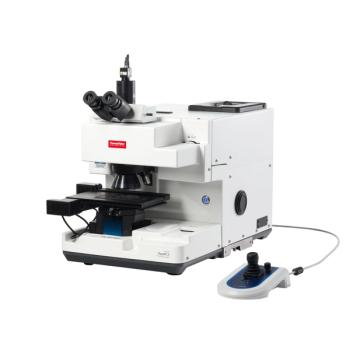
The researchers demonstrated in their study the practical applicability of NIR spectroscopy in studying bones. Because NIR instruments are portable and require only seconds per measurement, these tools have practical advantages.1 They allow for high-throughput screening of large faunal collections before destructive analyses. The method can also guide sampling strategy: the study recommends averaging predictions from two to three non-overlapping scan locations per bone (more for larger specimens) to ensure overall preservation quality, and aligning scan sites closely with intended sampling points to minimize spatial variability.
The research builds on earlier explorations of Raman and Fourier transform infrared (FT-IR) spectroscopy for collagen assessment but argues that those methods remain constrained by shallow penetration depth, sample preparation requirements, and limited generalizability across bone types and burial conditions.
“NIR spectroscopy combines high predictive accuracy with deep penetration and rapid, non-destructive analysis, making it particularly well-suited for large-scale prescreening of archaeological bone,” the authors wrote in their study.1 “The greater penetration depth of NIR light into bone allows for more representative sampling of bulk collagen content, improving the correlation between spectral data and actual collagen yields.”
The findings of this study indicate where the field of archaeology may head in the future and how spectroscopic tools would be deployed. By reducing unnecessary destructive testing, NIR prescreening supports conservation goals and ethical stewardship of archaeological materials, particularly in museum and heritage contexts where specimen integrity is important.1 Improved screening accuracy also increases the success rate of costly radiocarbon dating campaigns and biomolecular studies, enabling more reliable reconstructions of past diets, environments, and human–animal interactions.1
Although acknowledging that predictive models cannot fully replace extraction-based confirmation, the research team concludes that single-point NIR spectroscopy provides a robust complementary tool for archaeological bone analysis.
“Overall, single-point NIR spectroscopy is a valuable, complementary tool for archaeological bone analysis, offering actionable insights that complement established methods,” the authors conclude in their study.1
References
- Ryder, C.; Celis, G.; Devièse, T. et al. Refining Near-infrared Spectroscopy for Collagen Quantification: A New Predictive Model for Archaeological Bone. J. Arch. Sci. 2026, 185, 106448. DOI: 10.1016/j.jas.2025.106448
- Krane, S. M. Collagenases and collagen degradation. J. Invest. Dermatol. 1982, 79 (suppl. 1), 83s–86s. DOI: 10.11111523-1747.ep12545849
- Davey, R. Collagen Degradation Pathways in Humans. News Medical Life Sciences. Available at: https://www.news-medical.net/life-sciences/Collagen-Degradation-Pathways-in-Humans.aspx (accessed 2026-02-19).