News|Videos|October 23, 2024

SciX 2024: An Interview on Mentorship with Ellen Miseo

Many successful people seek out the help of different mentors throughout their careers. The vast majority (92%) of Fortune 500 companies have mentorship programs, according to a 2023 report from MentorcliQ (1), which also noted that companies with mentoring programs increased their headcounts by approximately 4%, compared to an average headcount decrease of 33% for companies without these programs.

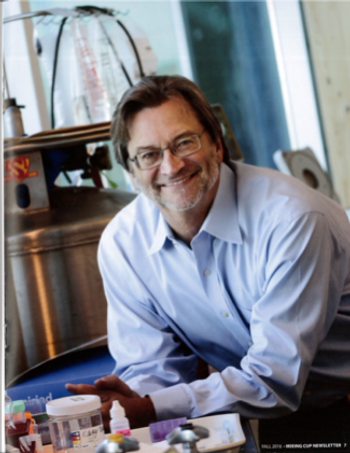
As part of our series of mentorship interviews, we interviewed Ellen Miseo of Miseo Consulting. Ellen has been involved in vibrational spectroscopy and instrument development her entire career and is trained as a physical chemist. She has worked for instrument companies as well as run laboratory operations. She is also a past president of both the Coblentz Society and Society for Applied Spectroscopy (2).

In this interview, we ask Miseo the following questions:

  • Who is a mentor that has impacted your career? How did you meet this individual, and what made them a great mentor?
  • What’s a piece of career advice this person gave you that helped you grow your career?
  • How do you find a good mentor?
  • Why is it important to have a good mentor?
  • Where can someone who is new to the industry look to find a mentor?
  • What role does mentorship play in improving diversity, equity, and inclusion in analytical science?

To learn more about mentorship's place in analytical chemistry, click here for a compilation of mentorship-related interviews.

References

(1) Francis, L.; Cook, S. Growth in Mentoring Builds Success. ATD 2023. https://www.td.org/atd-blog/growth-in-mentoring-builds-success (accessed 2024-10-23)

(2) Ep. 15: Building Professional Spectroscopy Skills and Valuable Networks with the Coblentz Society. LCGC International 2024. https://www.chromatographyonline.com/view/ep-15-building-professional-spectroscopy-skills-and-valuable-networks-with-the-coblentz-society (accessed 2024-10-23)


Related to this article

Work of the surgeon in the hospital operating room. Concentrated doctor with glasses. | Image Credit: © velimir - stock.adobe.com
Jürgen Popp explains how head and neck surgeons in Jena use a Raman probe to locate tumor borders, why the technique could replace frozen section biopsies, and why optical tools must adapt to clinical workflows rather than the other way around.
Why Reproducibility Starts with Sample Preparation
In this segment of his SciX interview, Marc Porter explains why every step matters when measuring at picomolar and femtomolar levels, and how switching to proteinase K helped make his group’s tuberculosis work more clinic-ready.