SPEC PerkinElmer 10.13
|Articles|June 4, 2010

58th ASMS Conference Review

Spectroscopy reviews some of the highlights and award recipients from this year's ASMS conference, held May 23-27, 2010, in Salt Lake City, Utah.

May brought a lot more than spring to the air this year as the scientific community geared up for the 58th ASMS Conference on Mass Spectrometry and Allied Topics, held at the Salt Palace Convention Center in Salt Lake City, Utah from May 23 through May 27.

The conference began early for some attendees, with several one-and two-day short courses beginning on Saturday May 22, from 9 a.m. to 4:30 p.m. Sunday marked the official start of the conference with more short courses and informative tutorial lectures from 5:00 to 6:30 p.m.

Following the tutorial lectures was the opening session and Plenary Lecture, which featured a talk from Leroy Hood, of the Institute for Systems Biology, entitled “Systems Medicine and Emerging Technologies: Catalyzing the Transformation from Reactive to Proactive (P4) Medicine.” Dr. Hood received his M.D. from Johns Hopkins School of Medicine in 1964 and his Ph.D. in biochemistry from the California Institute of technology in 1968. He has received many awards and accolades over the years, including the 2004 Biotechnology Heritage Award, the 2003 Association for Molecular Pathology (AMP) Award for Excellence in Molecular Diagnostics, the 2006 Heinz Award in Technology, the Economy, and Employment, and in 2007, he was elected to the Inventors Hall of Fame (for the automated DNA sequencer).

A major highlight of ASMS was the award presentations. The Award for a Distinguished Contribution in Mass Spectrometry was presented to Dr. Marvin L. Vestal, founder, CEO, and CSO of Virgin Instruments, on Monday, May 24. Vestal’s development of the practical matrix-assisted laser desorption ionization time-of-flight (MALDI-TOF) and TOF-TOF mass spectrometers resulted in the first commercial MALDI-TOF instrument — the Voyagers series. More than half of MALDI-TOF instruments in use today are based on Dr. Vestal’s designs.

The Biemann Medal was presented to Dr. David C. Muddiman, of North Carolina State University for his discovery that one strand of a PCR amplicon appears more intense than the complementary strand in an electrospray ionization (ESI) mass spectrum. Dr. Muddiman has developed alternative ion sources for FT-ion cyclotron resonance (ICR) MS, including the dual ESI source, MALDI-ESI, liquid MALDI-ESI, and an “air amplifier” for more efficient ESI. The significance of these advances is that they allow generation of multiple charged species, which are uniquely suited for FT-ICR-MS due to the inverse relationship between frequency and m/z.

ASMS gave the scientific community another hit this year with many superb sessions, posters, workshops, and hospitality suites. Next year’s ASMS conference is scheduled to be in Denver, Colorado — we at Spectroscopy can’t wait to see what the 2011 program has to offer!


Related to this article

NIR Spectroscopy of the Brain and Other Complex Analyses, ©   Navaporn  -chronicles-stock.adobe.com
Near-infrared spectroscopy has quietly stopped being a niche calibration exercise and started acting like an autonomous diagnostic partner, reading consciousness in an injured brain, steering a fermenter without a human hand, and hunting invisible plastic in a glass of water. The tool chemists once used to check moisture in grain is now fusing with artificial intelligence to make decisions no spectrometer could make alone.
FACSS 2026 Award Interviews ©  Erin -chronicles-stock.adobe.com
Eight FACSS award winners at SciX 2026, One LIBS trailblazer. Forty-eight questions. And not one of them is a softball. Award season in spectroscopy usually means polite applause, a plaque, and a photo. We're not completely interested only in the award sessions. The eight scientists honored at SciX 2026 in Sparks, Nevada, along with LIBS researcher Alessandro De Giacomo, are pushing Raman into operating rooms, flying LIBS on drones, reading chemistry off Mars, and tracing toxic metals downwind of industrial sites. Their work makes big claims. In the coming days, Spectroscopy will sit down with eight of these researchers and ask whether those claims hold up. The interviews that follow won't just celebrate. They'll press on the gaps between simulation and experiment, between the lab bench and the clinic, and between a clever paper and an instrument someone will actually buy and use.
Spectral Frontiers: Past the Diffraction Limit (FT-IR Spectroscopy)
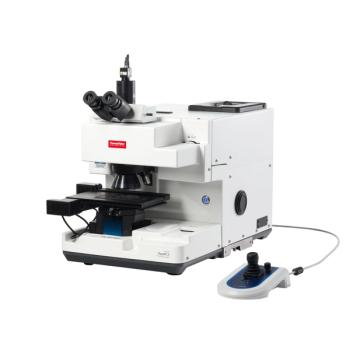
Fourier-transform infrared (FT-IR) spectroscopy, long the workhorse of molecular fingerprinting, is being reinvented by photothermal detection schemes and quantum cascade laser (QCL) sources that push spatial resolution and analysis speed far beyond classical dispersive and interferometric limits. New instrumentation such as optical photothermal infrared (O-PTIR) microscopy and laser direct infrared (LDIR) chemical imaging is enabling sub-micron, label-free chemical mapping of biological, environmental, and pharmaceutical samples. This article reviews the latest FT-IR-adjacent technologies, recent patents, and research driving the field, featuring perspectives from the scientists and instrument developers advancing the technique.