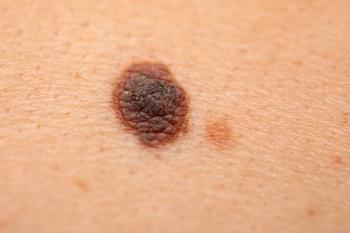
Discover how handheld Raman spectroscopy is helping distinguish skin cancer from normal tissue, courtesy of researchers from Florida Atlantic University.
A continuation of our recap of a recent study published in Microchemical Journal highlights the implications of how Raman spectroscopy can help analyze ancient DNA remains.
A recent study in Microchemical Journal led by researchers at the Institute of Electronic Structure and Laser (IESL) in Crete, Greece, shows that micro-Raman spectroscopy can non-destructively predict endogenous DNA preservation in ancient teeth by measuring protein-to-mineral ratios in cementum.1 The approach enables archaeologists to pre-screen skeletal remains in situ and prioritize specimens most likely to yield usable genetic material for costly analyses.
Part 1 of our exploration the experimental procedure the researchers used and the results they achieved.2 In the second part of our coverage of this study, we dive into the practical advantages of using micro-Raman spectroscopy for ancient DNA analysis and what this means for the future of archaeological science.
Paleogenomics studies ancient DNA, which allows us to learn more about the ancient past and the generations of humans that came before us.3 Because this branch of study analyzes DNA samples, it is imperative that these samples are examined accurately to ensure the proper conclusions are drawn. Raman spectroscopy, known for its accuracy, is therefore ideal for this type of work.1
There are also other practical advantages of applying Raman spectroscopy in field and museum contexts. Measurements require only optical contact with the specimen surface and take less than five minutes per site. For example, in the abovementioned study, the research team used a mobile spectrometer in the study, which allowed them to transport it to excavation sites or collections facilities.1 The benefit of doing this is to enable in situ analysis without moving fragile remains.1
Raman spectroscopy is also a non-destructive technique. Because the method is non-destructive, it aligns with conservation and ethical considerations that increasingly govern research on human remains. Museums and heritage authorities often restrict invasive sampling, especially for rare or culturally sensitive specimens.1 A rapid spectroscopic assessment could help stakeholders decide whether genetic analysis is justified before approving destructive procedures.1
For laboratories, the economic implications are also significant. Ancient DNA workflows involve costly reagents, sequencing, and clean-room infrastructure. By pre-selecting high-probability samples, Raman screening could reduce wasted effort and improve throughput.1 The authors estimate that effective pre-screening would save both person-hours and wet-lab expenses while preserving valuable material.1
Currently, researchers often face limited access to skeletal collections and must prioritize specimens for genetic analysis. This study is an indication that Raman-based screening offers a quantitative criterion that can guide these decisions.
The approach presented in the study may also facilitate broader geographic and temporal coverage in ancient DNA studies. By quickly surveying large assemblages, field teams could identify promising specimens from regions or periods previously underrepresented in genetic data sets.1 This could improve reconstructions of human migration, population structure, and adaptation across deep time.1
In addition, the method may aid forensic and historical investigations involving more recent remains, where preservation conditions vary but destructive sampling remains sensitive. Although the current study focused on archaeological teeth, similar principles could apply to other mineralized tissues such as bone.1
The research team also suggested exploring alternative spectral indices, extending spectral coverage to higher wavenumbers where C–H vibrations appear, and integrating complementary near-infrared (NIR) spectroscopy data.1 Machine learning (ML) approaches to multivariate spectral analysis are under investigation to enhance classification accuracy.1
Destructive sampling is counterproductive to the aims of archaeologists. Apart from wanting to learn more about the ancient past, archaeologists also have to balance ethical considerations as well to respect cultural heritage. As a result, non-destructive diagnostics, such as Raman spectroscopy, can help thread the needle between uncovering more information about ancient people with minimal intervention.1
For analytical chemists and spectroscopists, the work highlights an expanding role for vibrational spectroscopy in cultural heritage science. Raman methods have long been used to identify pigments, minerals, and degradation products in artworks and artifacts.4,5 Extending the technique to biomolecular preservation assessment demonstrates its versatility and potential impact beyond materials characterization.