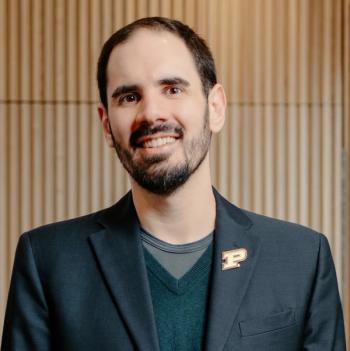
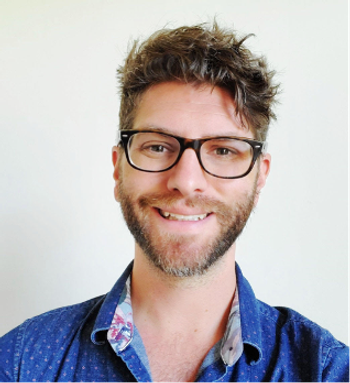
Sanz-Novo described star formation as a “chemical journey” that begins in cold, dark molecular clouds. In these environments, simple molecules freeze onto the surfaces of interstellar dust grains, where chemical reactions gradually increase molecular complexity. While scientists understand many aspects of this process, a major gap remains in identifying the full chemical inventory present during the earliest stages of star formation.
This gap is particularly important because many of the complex organic molecules found in the Solar System’s minor bodies, such as comets, asteroids, and meteorites, are believed to originate from these early star-forming environments. These bodies contain numerous prebiotic compounds, including amino acids, which are considered essential building blocks for life. Understanding how and when such molecules form can therefore provide valuable insight into the raw materials available during planet formation.
To address these questions, Sanz-Novo studies the chemistry of molecular clouds, particularly a shocked cloud located near the center of the Milky Way. In these regions, shock waves release icy mantles from dust grains into the gas phase, allowing astronomers to observe molecules that would otherwise remain hidden on grain surfaces. These observations provide a unique snapshot of grain-surface chemistry and reveal the molecular complexity developing in space.
According to Sanz-Novo, many of the molecules detected in these environments represent first-time discoveries. Each new detection expands scientists’ understanding of interstellar chemistry, revealing how complex molecular networks develop and helping determine which chemical ingredients may be inherited by emerging planetary systems throughout the star formation cycle.
References
- ISMS, 79th International Symposium on Molecular Spectroscopy. Illinois.edu. Available at: https://isms.illinois.edu/ (Accessed June 22nd, 2026).
- Sanz-Novo, M.; Wetzel, W. Tips for Young Researchers Attending ISMS 2026 Next Week. Spectroscopy. Available at: https://www.spectroscopyonline.com/view/tips-for-young-researchers-attending-isms-2026-next-week (Accessed June 22nd, 2026).