In this episode of "Spectroscopy Around the Globe," host Will Wetzel discusses the role that spectroscopic techniques have played in studying Newgrange.
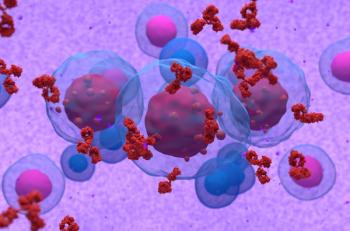
The expanded intended use takes the MALDI-TOF-based platform beyond aiding diagnosis to tracking monoclonal proteins over time in patients with multiple myeloma and Waldenström's macroglobulinemia.
Artificial intelligence (AI) has moved from a supporting role in molecular spectroscopy to the center of how spectra are interpreted. Between 2023 and 2026, machine learning models began proposing full molecular structures from routine NMR spectra, learning chemistry from millions of unlabeled mass spectra, predicting UV–vis absorption from structure alone, and steering workflows in autonomous laboratories. This review covers those advances, the push for explainable models, and what still limits routine adoption.
Inductively coupled plasma mass spectrometry (ICP-MS) and inductively coupled plasma optical emission spectrometry (ICP-OES) continue to push elemental analysis toward ever-finer resolution, from single-cell and single-nanoparticle measurements to fluorine-specific detection of per- and polyfluoroalkyl substance (PFAS) degradation products.
Spectroscopy's editors gather 143 evergreen articles from 2026, including tutorials, terminology guides, technique reviews, application surveys, peer-reviewed research and the magazine's long-running columns, and organize them by subject so readers can build lasting knowledge one topic at a time.