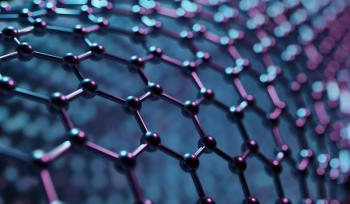
An upcoming talk at SciX 2026 Conference will describe a new multimodal platform using laser ablation inductively coupled plasma–mass spectrometry (LA-ICP-MS) elemental mapping that can detect nanoparticles and microplastics in biological tissue.
Spring SciX highlighted the latest advancements in spectroscopy, with a focus on biomedical research.
The Spring SciX 2026 conference, an international gathering dedicated to analytical chemistry and spectroscopy, recently took place from April 14–16th at the University of Exeter in the United Kingdom.1,2 This event connected researchers with early-career professionals through technical sessions that covered key topics such as artificial intelligence (AI),
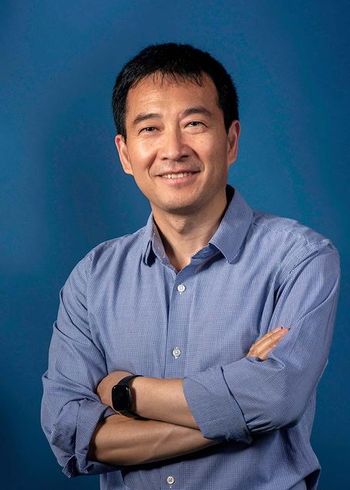
As part of our post-conference coverage of Spring SciX, Spectroscopy sat down with Thomas Bocklitz, who is a Professor for Photonic Data Science at Friedrich Schiller University Jena, in Germany. Bocklitz’s work involves using mathematical methods, such as differential equations for simulation, chemometrics for
The conference emphasized the importance of innovative analytical technologies and their applications in biomedical research, as well as their integration with advanced data analysis methods, such as AI. A particular highlight was the advancements in spectroscopy, which have made it possible to analyze biological samples in real time.
The title of my presentation was “Combining Vibrational Spectroscopic Techniques with Artificial Intelligence-based Data Pipelines to Maximize the Extracted Knowledge,” and it covered the latest developments in data analysis. The focus was on AI-based data modeling methods for image- and spectra-based measurement systems, which increase the sensitivity and robustness of the results.
Key topics included the use of AI to analyze data and the integration of multi-sensor platforms to comprehensively characterize complex samples. There was also significant interest in point-of-care diagnostics and environmental monitoring.
I generally like the
There was a general consensus on the need for standardized data formats and metadata. However, debates arose regarding the most effective ways to integrate AI into data analysis, particularly with regard to striking the right balance between robustness, transparency and efficiency.
As mentioned, SciX and Spring SciX are excellent at fostering interdisciplinary exchange. Attending the conference has motivated me to seek more intensive collaborations with interdisciplinary teams, particularly those specializing in multimodal analytical methods.