The Eastern Analytical Symposium returns to Plainsboro, New Jersey, November 16–18, with a keynote on AI-ready data and a posthumous award honoring solid-state NMR researcher Robert Schurko.
***Live: Europe & US Broadcast: Thursday, March 25, 2021 at 10am EDT | 2pm GMT | 3pm CET *** US Broadcast: Thursday, March 25, 2021 at 2pm EDT | 1pm CDT | 11am PDT*** The need to analyze biomolecules has grown dramatically in recent years. Learn about a groundbreaking new UV-VIS system that allows for simultaneous measurements of multiple samples at different temperatures. Learn how to work four times faster! ***On demand available after airing until Mar. 25, 2022***
Register free:
Event Overview:
UV-Vis spectroscopy is a mature technology that has been used to analyze, characterize, and quantify biological samples such as DNA, RNA, and proteins for many decades. The use of UV-Vis has been limited by the workflow needed to make these measurements efficiently.
As biological molecules are used with more sophistication in life science research across fields such as cancer research, drug development including vaccines, and finally in quality control in regulated environments, the technology used for the analysis should evolve too.
Today we will discuss a new system with simultaneous measurement capabilities, the ability to measure multiple samples at different temperatures, and an extended absorbance range that will improve workflow efficiency. Challenge what you know about UV-Vis spectroscopy.
Key Learning Objectives:
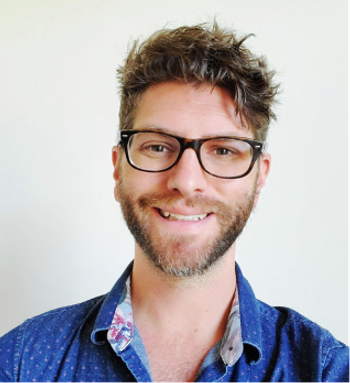
Speaker: Dr. Wesam Alwan, Applications Scientist – Molecular Spectroscopy, Agilent Technologies, Australia
Time and date: Europe & US Broadcast: Thursday, March 25, 2021 at 10am EDT | 2pm GMT | 3pm CET
US Broadcast: Thursday, March 25, 2021 at 2pm EDT | 1pm CDT | 11am PDT
On demand available after airing until Mar. 25 2022
Sponsor: Agilent
Register free: