
Scientists from Moscow, Russia studied the dynamics of lithium plasma under laser-induced breakdown spectroscopy using a custom system made using 3DLINE code.
Aaron Acevedo is an assistant editor for LCGC and Spectroscopy at MJH Life Sciences.
Scientists from Moscow, Russia studied the dynamics of lithium plasma under laser-induced breakdown spectroscopy using a custom system made using 3DLINE code.

Scientists in Ireland recently tested the effectiveness of different machine learning (ML) methods for measuring contamination levels on wind turbine blades.
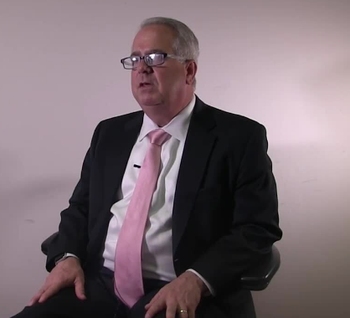
At the Eastern Analytical Symposium in Princeton, New Jersey, John McLean shared his thoughts about his career in mass spectrometry.
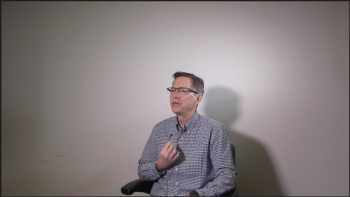
At the Eastern Analytical Symposium (EAS) in Plainsboro, New Jersey, Spectroscopy sat down with Robert Kennedy to discuss his research and career in analytical chemistry.
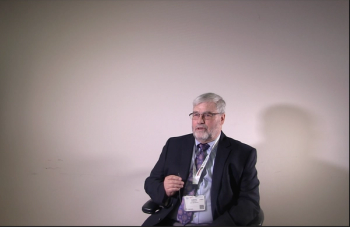
At the Eastern Analytical Symposium (EAS) in Plainsboro, New Jersey, Spectroscopy sat down with Curtis Marcott to discuss his research and career in spectroscopy.
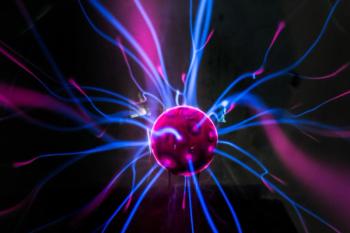
To understand the physicochemical processes that occur during plasma expansion, scientists experimented on aluminum nitride (AlN) plasma using optical emission spectroscopy (OES).

A team of scientists have used airborne lidar mapping to study Mayan architecture, seeing how certain buildings’ construction can hint at the social status of their inhabitants.
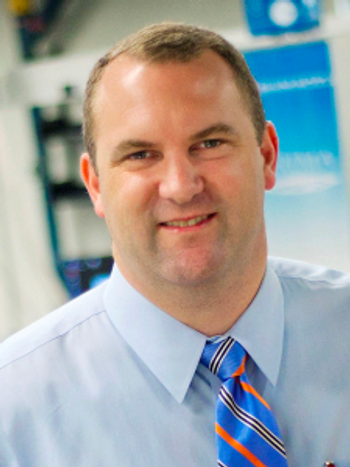
At the 2023 Gulf Coast Conference, Spectroscopy spoke with Kevin Schug of the University of Texas at Arlington, about predicting gas phase vacuum ultraviolet spectra using machine learning. This interview was one of four conducted live at GCC 2023.
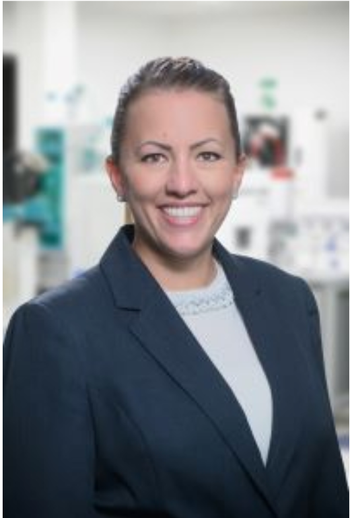
At the 2023 Gulf Coast Conference, Spectroscopy spoke with Elena Hagemann of Metrohm USA, about spectroscopy in relation to petrochemicals. This interview was one of four conducted live at GCC 2023.
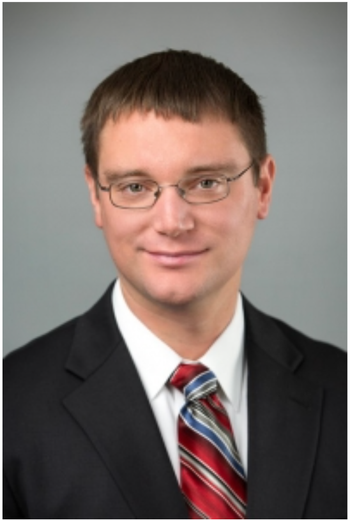
Andrew Schmitz, an application scientist at ThermoFisher Scientific, held a workshop at the Gulf Coast Conference in Galveston, Texas, focused on real-time lubricant analysis.

Wei Xiong of the University of California, San Diego, is the 2023 winner of the Coblentz Award at SciX. Xiong was recognized in a plenary session at SciX on October 9th at 11:00 am for his contributions on the ultrafast dynamics of molecular polaritons.
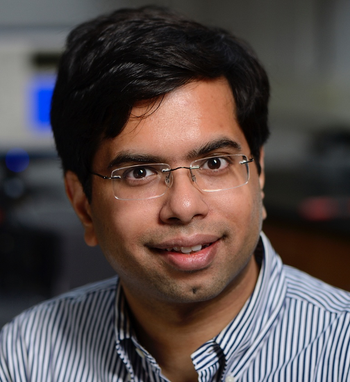
Ishan Barman, the 2023 recipient of the Coblentz Society Clara Craver Award, held a plenary session during SciX that focuses on transformative biophotonics in disease detection and monitoring.
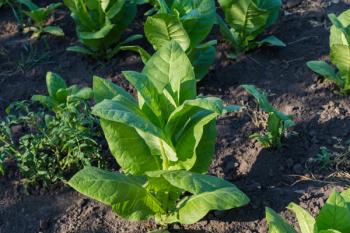
To effectively classify tobacco stems and impurities, a group of scientists from Jiangsu, China used hyperspectral superpixels to separate classify compounds and avoid the influence of interference fringes.
A group of scientists from the University of Wrocław and the University of Innsbruck studied the relationships between aliphatic ketones and water molecules in various environments.

Scientists from the Amirkabir University of Technology in Tehran, Iran, used laser-induced fluorescence (LIF) spectroscopy to analyze opium and hashish, in order to achieve a novel method of drug analysis.
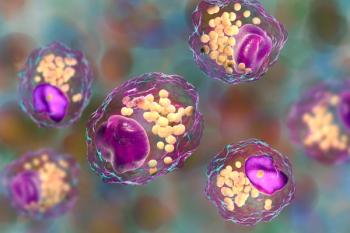
Scientists from the University of Jinan developed a new fluorescent probe to better understand the relationship between certain lipids.

A team of scientists created a portable infrared attenuated total reflection (IR-ATR) spectrometer and tested its food analysis capabilities against similar systems.

In a recent study, scientists used a combination of SERS, butanol, and gold nanoparticles to analyze the virus.

Scientists used spectroscopic techniques to learn more about paintings in the blue room of Ariadne’s house.

A team of scientists recently analyzed a collection of late Roman vessels discovered in the United Kingdom.
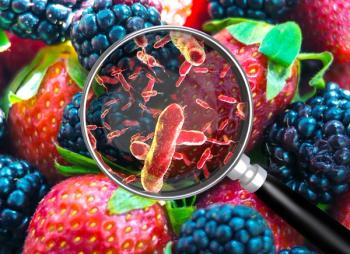
Scientists used laser induced breakdown spectroscopy (LIBS) to analyze the safety of food.
Glow discharge (GD) spectroscopy is a well-established method in the elemental analysis of metals, coatings, and surface-modified materials.

A recent study tests new systems meant to better analyze components in the semiconductor industry and pave the way for better electronic devices.
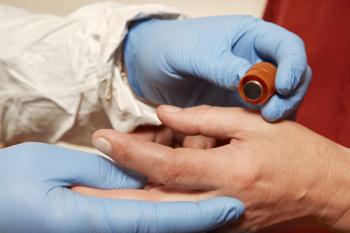
Scientists at West Virginia University have created a new LIBS system meant to better identify the components of gunshot residue at crime scenes and in evidence.
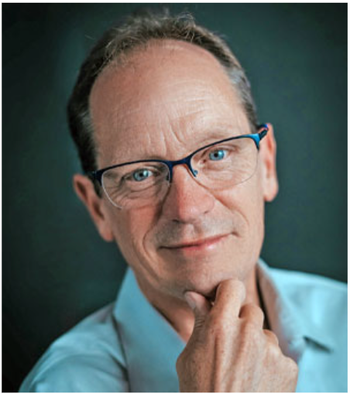
Craig Prater was named the 2023 recipient of the Williams-Wright Award, which is given out annually by the Coblentz Society. He was recognized at Pittcon 2023, which took place in Philadelphia, Pennsylvania.
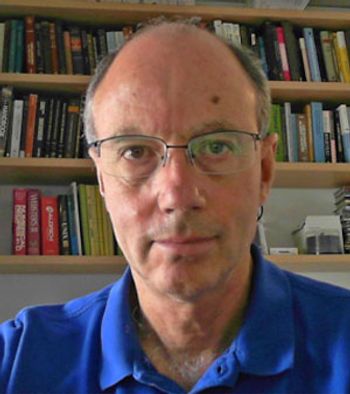
Robert Tycko received the 2023 Pittsburgh Spectroscopy Award for his contributions in the field of spectroscopy. He was recognized at Pittcon 2023, which took place in Philadelphia, Pennsylvania.