

Scientists from Banaras Hindu University in Varanasi, India recently studied how acarbose (ACA) and quercetin (QUE) can help prevent conditions like Type 2 diabetes.
Aaron Acevedo is an assistant editor for LCGC and Spectroscopy at MJH Life Sciences.
Scientists from Banaras Hindu University in Varanasi, India recently studied how acarbose (ACA) and quercetin (QUE) can help prevent conditions like Type 2 diabetes.

Here are the top five articles that the editors of Spectroscopy published this week.
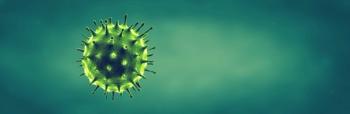
Scientists from Duke University in Durham, North Carolina recently tested a surface-enhanced Raman scattering (SERS) spectroscopy system for detecting the SARS-CoV-2 virus.

Pakistani scientists recently used surface-enhanced Raman spectroscopy (SERS) to characterize the metabolites of sulfuric compounds.

Scientists are using Raman spectroscopy and AI technology to streamline the pathological classification process.
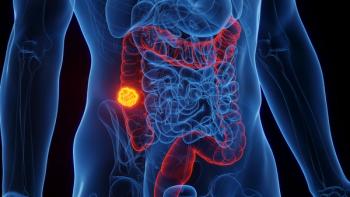
Scientists from the Lodz University of Technology in Lodz, Poland created a new system to analyze normal and cancer human colon cells.
Chinese scientists recently made a surface-enhanced Raman scattering (SERS)-based approach to detect synthetic antioxidants in food samples.
Here are the top five articles that the editors of Spectroscopy published this week.
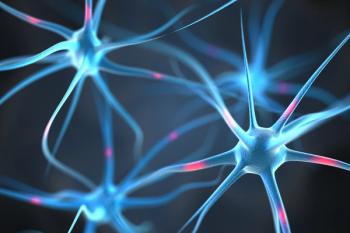
Chinese scientists recently created a dual-response fluorescent probe to better understand the pathological mechanisms of depression disorder.

Scientists from Nanjing Forestry University recently used a portable hyperspectral imager to help detect maturity stages in Camellia oleifera fruits.
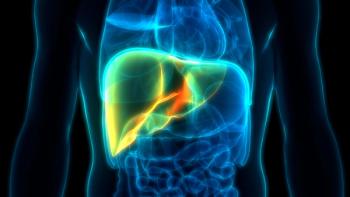
In a recent study out of China, Liyi Zhou and her fellow scientists created a nanoprodrug system to help treat liver cancer.
Here are the top five articles that the editors of Spectroscopy published this week.

Chinese scientists recently combined confocal microscopy and an echelle-grating spatial-heterodyne Raman spectrometer (CM-ESHRS) to create a new system for detecting microplastics.

A group of scientists led by Zozan Guleken of the Gaziantep University of Science and Technology in Gaziantep, Turkey looked into the blood serum composition of childhood obesity (CO) tissues using Fourier transform infrared (FT-IR) spectroscopy.

Scientists from Zhenjiang, China recently tested different analysis methods of using portable near-infrared (NIR) spectroscopy to detect Bombyx mori nuclear polyhedrosis virus within silkworms.
Here are the top five articles that the editors of Spectroscopy published this week.

Scientists from the Czech Republic developed an automated classification pipeline meant to provide real-time in vivo examinations of normal and cancerous colorectal tissue.
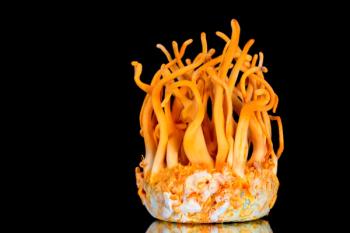
Scientists in Poland recently tested how multidimensional discriminant analysis and reflectance spectroscopy can help identify species within fungi strains.

Two awards will be presented at Analytica including the Bunsen-Kirchhoff Award, which is sponsored by Analytik Jena.

Rigaku Analytical Devices has been awarded a third year of funding for a TSA contract dedicated to creating better-optimized screening equipment.

In a recent journal article, scientists wrote about on the impact machine learning algorithms have in measuring water quality, and how this technology can be evolved further.

Here are the top five articles that the editors of Spectroscopy published this week.
Brazilian scientists recently discussed and showed findings that show near-infrared (NIR) spectroscopy as a potentially effective technique for detecting ecstasy.
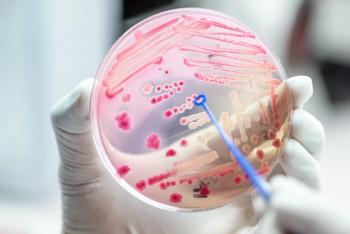
Scientists from Ben-Gurion University of the Negev, the Afeka Tel-Aviv Academic College of Engineering, and the Shamoon College of Engineering recently created a system that combines Fourier transform infrared (FT-IR) spectroscopy with machine learning algorithms to identify bacteria that is resistant to antibiotics.
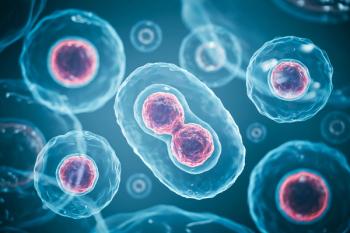
Scientists from Beijing, China recently tested a combination of surface plasmon resonance (SPR) and fluorescence analysis in studying cell and drug interactions.
Scientists from East China Jiaotong University recently tested different sample selection methods using near-infrared (NIR) spectral information entropy as a similarity criterion.

The company’s new service will provide expedited testing to customer around the world.

Here are the top five articles that the editors of Spectroscopy published this week.
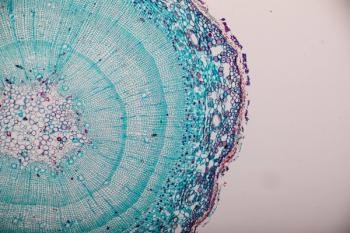
In a study led by scientists from Northwest University in Xi’an, China, carbon quantum dots were tested on how well they can detect hypochlorite and aid in cellular imaging.
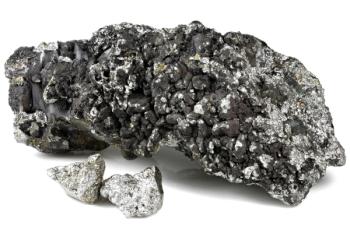
In a recent study from Ghent University and Charles University, scientists analyzed layered manganese oxide structures using different Raman spectroscopy techniques.