


Molecular Spectroscopy
Latest News
Advertisement
Latest Videos
Shorts
1:01
Detecting Microcalcifications Through Wax at Varying Depths Using Deep Low-frequency Raman
4 days ago
by
Sara Miller
1:08
The Scientific Breakthrough with Single-Molecule Raman Imaging
13 days ago
by
Ji-Xin Cheng
0:48
Tutorial Tuesday: Why Raman is Ideal in the Oil and Gas Industry
3 months ago
by
Janam Pandya
0:56
Best of the Week: Complex Organic Molecules, Molecular Analyzers in Oil and Gas
4 months ago
by
Will Wetzel
1:14
What is Raman Spectroscopy
6 months ago
by
Will Wetzel
Advertisement
More News
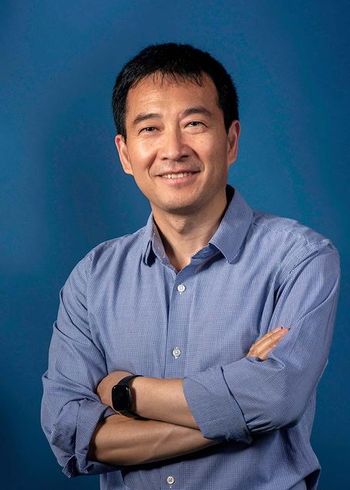
An upcoming interview with Ji-Xin Cheng, a Theodore Moustakas Distinguished Professor in Photonics and Optoelectronics at Boston University, will highlight his ongoing work in coherent Raman scattering microscopy.

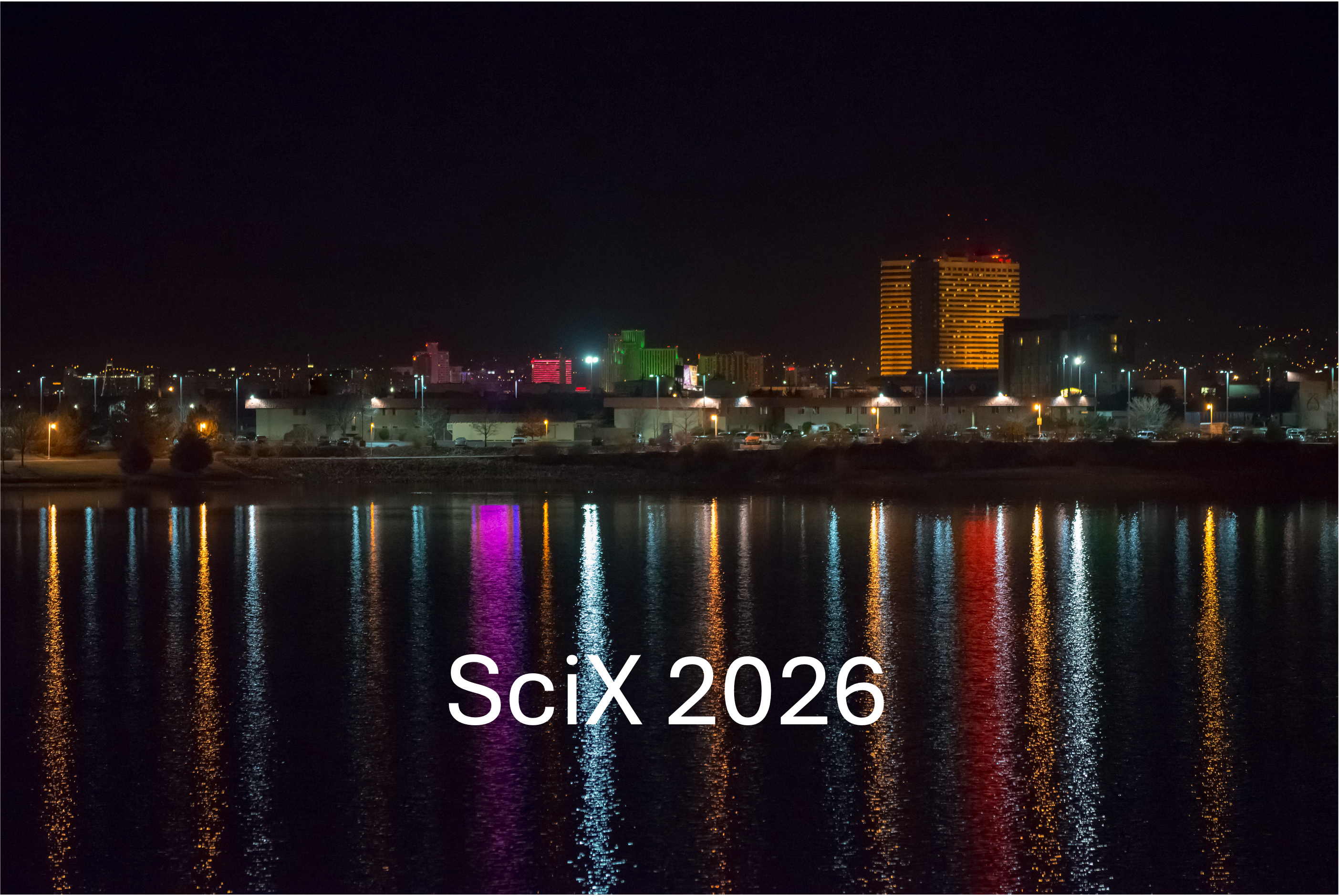
The 2026 SciX Conference will offer an assortment of short courses during the conference week in Sparks, Nevada. We highlight these courses below.
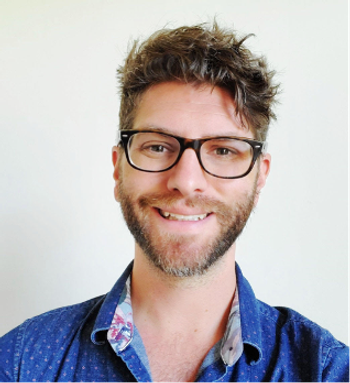
Jay P. Kitt, a University of Utah research assistant professor who has spent a decade extending confocal Raman microscopy from phospholipid membranes to nucleic acids and peptide-membrane interactions, is the recipient of Spectroscopy's 2026 Emerging Leader in Molecular Spectroscopy Award.

In this Q&A, we explore the advanced techniques, methods, and real-world applications of FT-IR spectroscopy.

A new peer-reviewed article discusses how pairing quantum mechanics with nanomaterial-based Raman spectroscopy has significantly boosted the technique's sensitivity.
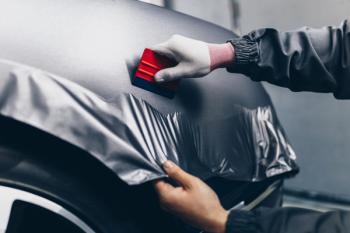
Researchers have developed a new validated attenuated total reflectance Fourier transform infrared (ATR-FTIR) and Raman spectroscopy framework for forensically distinguishing automotive vinyl wraps by manufacturer, color, and finish.
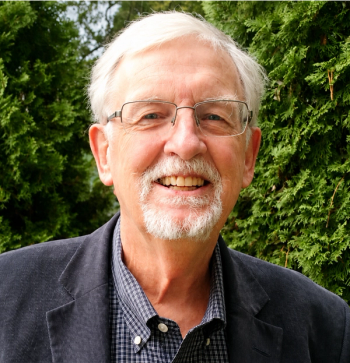
Peter R. Griffiths, a pioneering figure in Fourier transform infrared (FT-IR) spectroscopy who authored or coauthored more than 300 scientific papers and numerous books over five decades, died August 29, 2026, at age 84. This tribute traces his career from Oxford and Digilab through Ohio University and the University of Idaho, his landmark books and the Handbook of Vibrational Spectroscopy, and his many honors, including the 2023 Ellis R. Lippincott Award and 2024 Optica Fellowship.

A recent study presented a new system for testing metal contamination on microplastics.
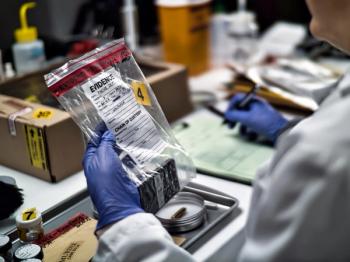
A recent review article examines how AI-assisted spectroscopic tools are propelling forensic trace evidence analysis forward.

This dynamic video explores some of the latest advancements in molecular spectroscopy.
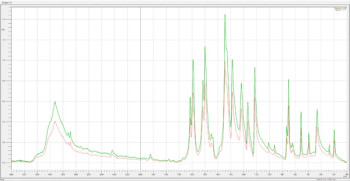
Fourier-transform infrared spectroscopy, a technique built on a scanning mirror invented before the moon landing, is quietly being rebuilt from the ground up. Light combs, photothermal probes, and chip-scale photonics are pushing infrared analysis past resolution and speed limits that stood for six decades.

The 29th International Conference on Raman Spectroscopy (ICORS 2026) is set to have a gala dinner cruise for conference attendees to enjoy.

Forensic Differentiation of Automotive Coatings with Multiple Spectroscopic Methods: Comprehensive Spectral Information Analysis for More Accurate Identification
Published: | Updated:
A forensic case study using FT-IR, portable Raman spectroscopy, and SEM-EDS to differentiate three-layer automotive coatings from a hit-and-run accident, demonstrating that combining complementary spectroscopic and elemental techniques improves the accuracy of paint evidence identification.
The deadline to submit nominations for the 2027 Coblentz Award, presented annually to an outstanding young molecular spectroscopist under the age of 40, has been extended to August 31, 2026.

The Altar Stone cannot be taken to a laboratory for analysis, but portable Raman analyzers are getting the job done on-site.

The 29th International Conference on Raman Spectroscopy (ICORS) takes place next week in Istanbul, Turkey. We preview the conference here.

Researchers developed spherical and hollow gold nanoparticle-based SERS platforms that enable label-free molecular imaging of chemotherapy drug effects and drug release within cancer cells, offering a theranostic tool with potential applications in early cancer diagnostics.

In the second episode of “Spectroscopy Around the Globe,” host Will Wetzel takes viewers on a journey to England to explore how spectroscopy is being used to uncover the secrets of Stonehenge.

How can inductively coupled plasma–mass spectrometry (ICP-MS) detect particles that were missed in initial analyses?

Can spectroscopy make real-time monitoring in nuclear and radioisotope facilities faster and safer?
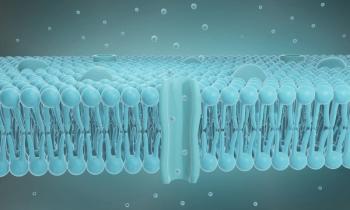
An upcoming talk at the American Chemical Society (ACS) 2026 Fall Meeting will address a key question in membrane biophysics.
Top articles published this week include a preview of an upcoming presentation at the American Chemical Society (ACS) 2026 Fall Meeting in Chicago, Illinois.
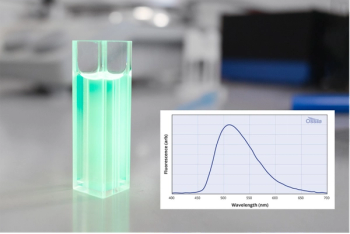
Cellular autofluorescence often masks target signals in time-resolved fluorescence imaging, and metal-based phosphors that could solve this raise toxicity and cost concerns. Thermally activated delayed fluorescence (TADF) materials offer a metal-free alternative with long emission lifetimes, and early studies show promise despite remaining challenges with quenching, solubility, and spectral purity.
The July 2026 “What’s Nu” newsletter highlights a recent Office of Management and Budget (OMB) rule that can impact peer-review publishing.

An upcoming talk at the American Chemical Society (ACS) Fall 2026 Meeting will discuss new insights into the origins of Mars’s early water.
Advertisement
Advertisement
Trending on Spectroscopy Online
1
Trust the Algorithm or the Analyst? SciX 2026 Chemometrics Session Challenges Old Assumptions
2
Beyond the Plasma: Alessandro De Giacomo on Laser–Matter Interaction and Nanoparticle Tagging
3
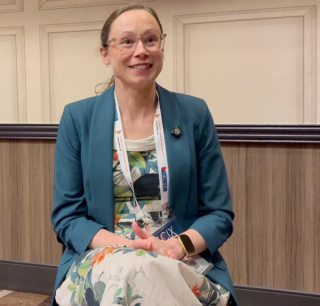
Sara Miller on Detecting Microcalcifications With Low-Frequency Raman
4
Alessandro De Giacomo on LIBS, Plasma Physics, and Nanoparticle Size
5