



In part two of our exploration of wood forensics, a deep dive of a recent study from Panjab University explains why attenuated total reflectance Fourier transform infrared (ATR-FT-IR) spectroscopy improves on traditional methods in this space.

New Review Highlights the Role of Radionuclides and Gamma-ray Spectrometry in Geoscience Research

New Spectroscopy Technique Enhances Understanding of Blue Carbon Ecosystems
In part two of our exploration of wood forensics, a deep dive of a recent study from Panjab University explains why attenuated total reflectance Fourier transform infrared (ATR-FT-IR) spectroscopy improves on traditional methods in this space.

Wood forensics is an important field that helps authenticate wood and addresses the challenges that illegal logging brings. In this multipart article, we explore the wood forensics industry, and how spectroscopic techniques are contributing to its advancement.

This article explores the current landscape of global critical raw materials (CRM) trends in research and the applications of atomic spectroscopy (AS), including inductively coupled plasma–mass spectrometry (ICP-MS), inductively coupled plasma–optical emission spectrometry (ICP-OES), and X-ray analytical techniques in their identification of diverse industrial and environmental media.

A recent study examined the role of high-resolution mass spectrometry imaging in assessing environmental contaminants.

In agriculture, soil quality is integral to facilitating good farming practices and maximizing crop yield. A new study examines how visible-near-infrared (vis-NIR) spectroscopy is being used to evaluate soil quality.

A recent study published in Analyst examined how Raman spectroscopy can be used for detecting microplastics in environmental samples.

A recent study conducted in Faisalabad, Pakistan, evaluated the presence of heavy metals in their drinking water using atomic absorption spectroscopy (AAS) and optical emission spectroscopy (AES).

A recent study looked at how the advancement of microfluidic devices has improved environmental monitoring.

A recent study examined a new method for detecting polypropylene (PP) micro- and nanoparticles.

Spectroscopic analytical techniques are crucial for the analysis of environmental samples. This review emphasizes the latest advancements in several key spectroscopic methods, including atomic, vibrational, molecular, electronic, and X-ray techniques. The applications of these analytical methods in detecting contaminants and other environmental applications are thoroughly discussed.
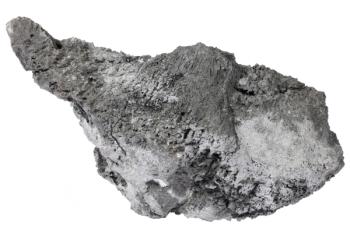
Hokkaido University scientists are investigating a more sustainable approach for detecting arsenic in minerals.

A recent case study in southern Australia shows how mid-infrared (MIR) spectroscopy can analyze overall soil quality by measuring its acidity.

A recent review article discusses four advanced Raman techniques, including surface-enhanced Raman scattering (SERS), Raman tweezers (RTs), tip-enhanced Raman scattering (TERS), and Raman mapping/imaging (RM/RI), and how these techniques are being applied for the detection of micro- and nanoplastics.
Scientists from the Czech Republic recently created new practices to study different Tröger’s base isomers.

Korean scientists recently tested a new light detection and ranging (LiDAR)-based system for improving autonomous recognition systems.

German and Canadian scientists recently created a new system for characterizing gaseous species distribution during combustion.
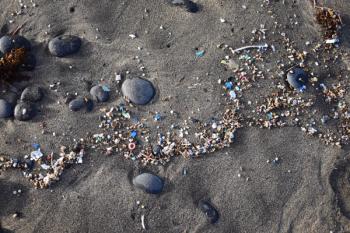
A research team from the Manipal Academy of Higher Education in India examined how Raman spectroscopy and machine learning can be used to classify microplastics in water sources.

We recently interviewed Kacie Ho of the University of Hawaii about her study on metals in seaweed, and how they can be monitored and regulated now and in the future.

Webcast
Webinar Date/Time: Tue, Jun 25, 2024 11:00 AM EDT

Scientists from Tamil Nadu, India recently developed a new fluorescence-based chemosensor for selectively detecting trivalent chromium (Cr3+) ions.

Scientists from Brazil recently developed and validated a new high-performance liquid chromatography–ultraviolet method (HPLC–UV) for treating fungal nail infections.

Scientists from Zhejiang Sci-Tech University studied how hypochlorous acid (HOCl), an enzyme that can be found in lysosomes, can be found using fluorescent probes.

Pakistani scientists recently used surface-enhanced Raman spectroscopy (SERS) to characterize the metabolites of sulfuric compounds.

Here are the top five articles that the editors of Spectroscopy published this week.

A recent study offers an inside look as to how chemometric modeling is directly impacting greener analytical solutions.